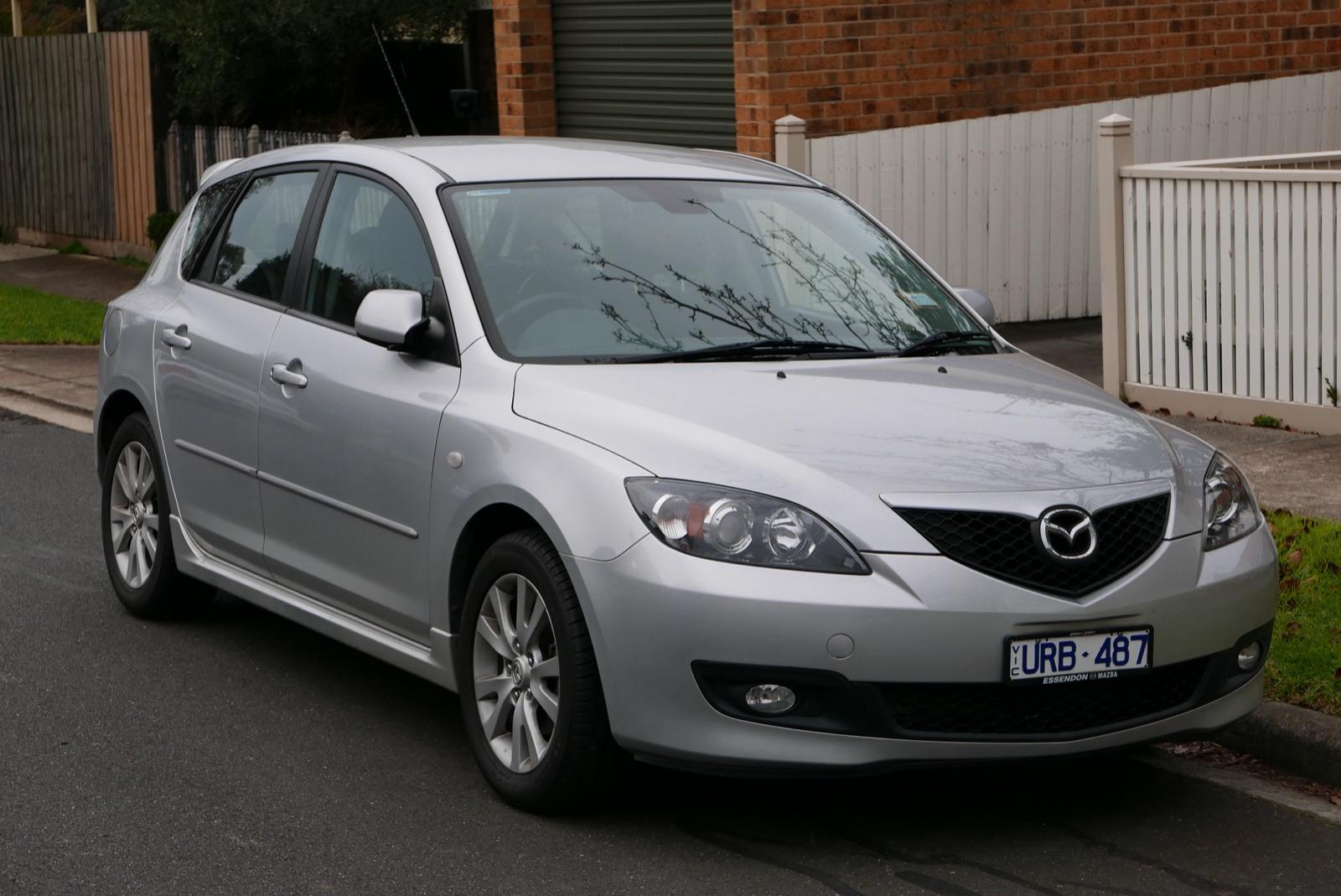
Most older cars have something wrong with them — a dent, a warning light, a noise that's been there for months. If your Honda or Mazda has damage or a fault, you can still sell it. The key is being clear about what's wrong.
Cosmetic damage
Scratches, small dents, kerbed wheels, faded paint and interior wear are common on cars from the 2000s and early 2010s. They affect value, but usually less than mechanical problems. Photos of the damage help buyers assess it properly.
Mechanical faults
Warning lights, rough running, transmission problems, overheating or oil leaks are a bigger deal, because they can be expensive to fix and are harder to assess remotely. Describe what happens and when — for example 'hesitates when changing from second to third when cold'. If a mechanic has diagnosed the problem, include what they said.
We consider cars with minor mechanical issues and cars needing repairs. Depending on the problem, it may affect the offer or whether we can make one — we'll tell you either way.
Should you fix it before selling?
Usually not for major repairs. Repair costs are often higher than the value they add, especially on older cars. Small, cheap fixes — replacing a blown globe, a worn wiper or a flat battery — can be worthwhile because they remove obvious objections.
The safest approach is to find out what the car is worth as-is first, then decide whether a repair makes financial sense.
Always disclose known problems
Being honest about faults avoids disputes and renegotiation later. Buyers inspect cars, so problems usually come out anyway — it's better to set expectations at the start.
What to include in your enquiry
- What's wrong, and how long it's been happening
- Whether a mechanic has looked at it, and what they said
- Whether the car starts and drives
- Photos of any body damage
- Registration status
This guide is general information only, not legal or financial advice. Vehicle values depend on the individual car and market conditions. Check Service NSW for current registration and transfer requirements.