In the 2000s, the Honda Accord Euro and Mazda 6 were two of the most popular mid-size cars for Australians who wanted something more engaging than a typical family sedan. Many are still on Sydney roads — and both are cars we buy. Here's what buyers tend to focus on with each.
Two different approaches
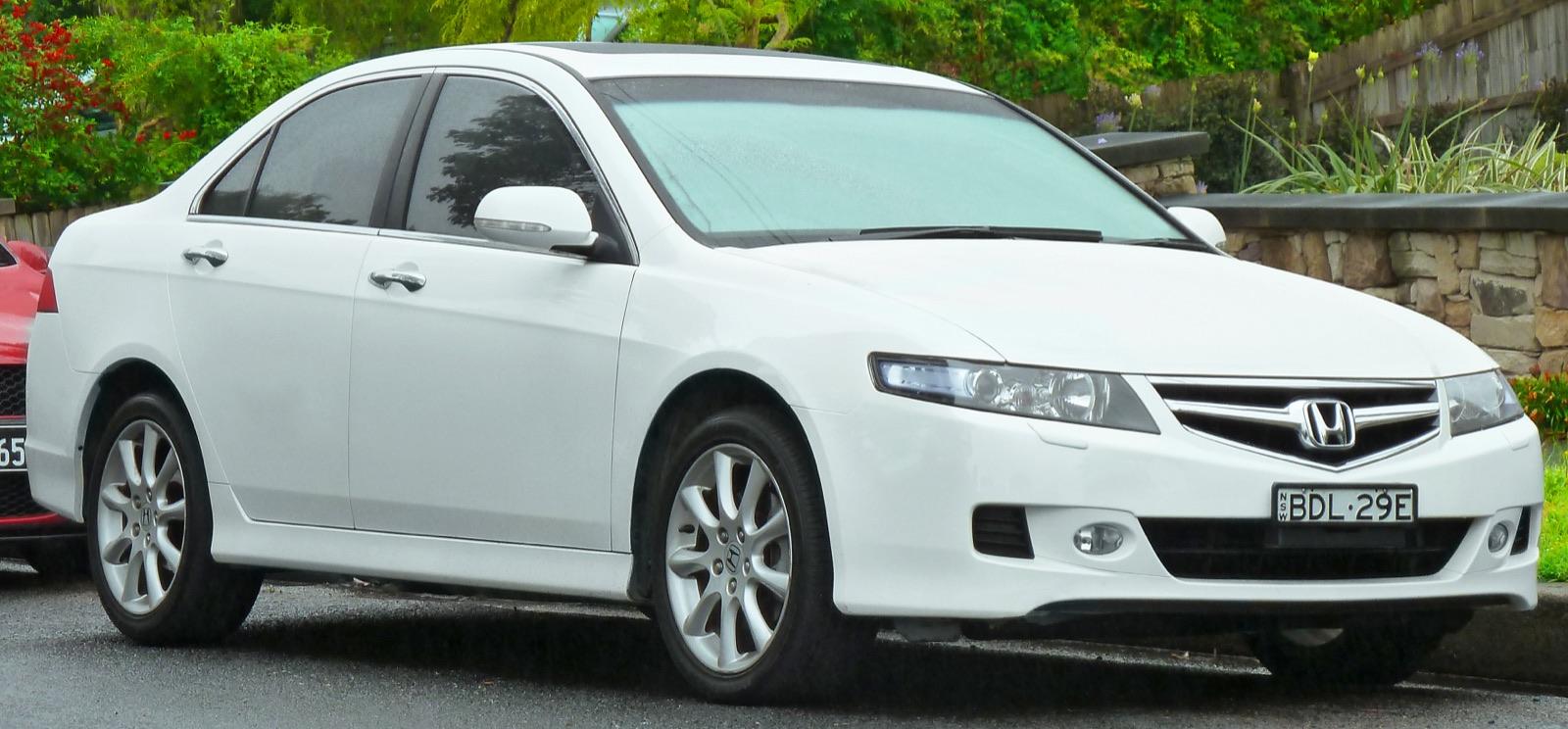
The first-generation Accord Euro (2003–2008) was offered as a sedan with a 2.4-litre four-cylinder engine. The first-generation Mazda 6 (2002–2008) came as a sedan, hatch and wagon, giving owners more body-style choice. Both were known for being enjoyable to drive for their class.
Second generations followed in 2008 for both cars, each growing slightly larger.
What buyers check on an Accord Euro
Accord Euro buyers typically look closely at service history, how the automatic transmission shifts, air-conditioning performance, and general wear. Many Euros have high kilometres, so evidence of regular servicing carries a lot of weight. Luxury models with working features — leather, sunroof, climate control — tend to appeal more.
What buyers check on a Mazda 6
For a Mazda 6, buyers commonly look at body condition (including any rust), transmission behaviour, suspension noises and service history. Body style matters too — wagons suit different buyers from sedans and hatches. Performance and diesel variants attract a narrower but more specific audience.
What matters for both
Whichever you own, the same fundamentals drive what you'll be offered:
- Kilometres and documented servicing
- How the engine and transmission feel on a test drive
- Body, paint and interior condition
- Registration status
- Whether all features work
Which holds value better?
Honestly, at this age the individual car matters far more than the badge. A well-kept Mazda 6 can be worth more than a neglected Accord Euro, and vice versa. Rather than relying on generalisations, get offers based on your specific car.
This guide is general information only, not legal or financial advice. Vehicle values depend on the individual car and market conditions. Check Service NSW for current registration and transfer requirements.