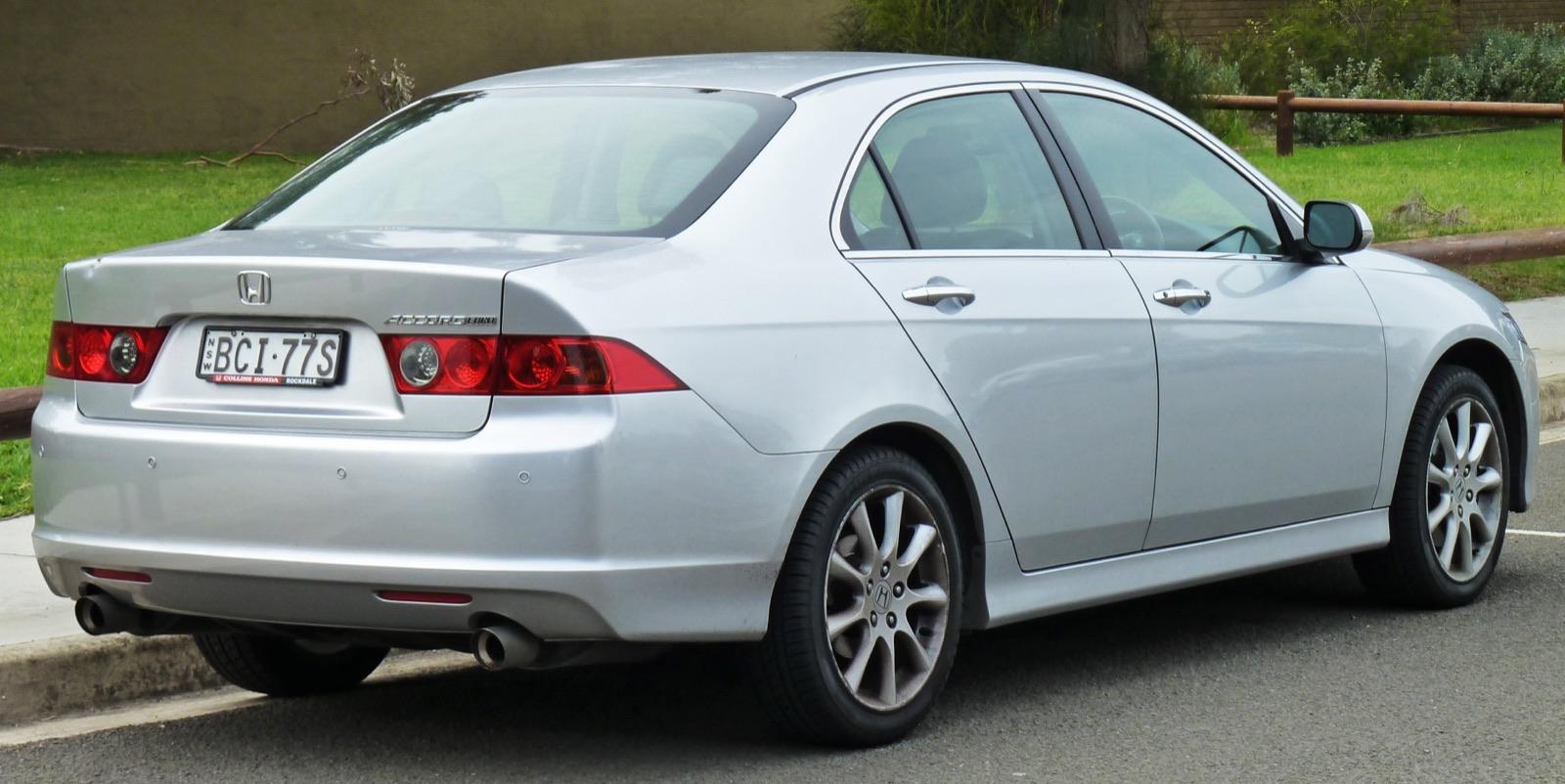
The Honda Accord Euro has a loyal following, and many first-generation cars from 2003–2008 are still being driven daily around Sydney. If it's time to sell yours, a little preparation goes a long way — whichever way you decide to sell.
1. Work out exactly what you have
Start with the basics a buyer will ask about: the year, whether it's a first-generation (2003–2008) or second-generation (2008 onwards) Euro, the trim level (standard or Luxury), the transmission, and the current odometer reading. Your registration papers and the compliance and build plates on the car will confirm the year.
If you're not sure whether your car is an Accord Euro or the larger Accord sold alongside it, check the badge on the boot lid or your registration papers.
2. Gather your paperwork
Buyers feel more confident when they can see the car's history. Before you sell, find:
- Registration certificate (if registered)
- Service book or logbook, and any receipts for repairs or major servicing
- Spare keys
- Owner's manual
- Finance details, if money is still owing — this will need to be resolved as part of any sale
3. Be honest about condition
An older Accord Euro will rarely be perfect, and that's fine. Make a list of what you know: warning lights, noises, oil leaks, air-conditioning performance, worn tyres, dents, scratches, paint fade or interior wear. Being upfront saves time, avoids awkward renegotiations after an inspection, and helps you get realistic offers from the start.
4. Understand what drives value
No website can tell you exactly what your car is worth without seeing it. Prices for older cars vary widely depending on the individual vehicle. The biggest influences are kilometres, service history, mechanical condition, body and interior condition, and registration status.
Online valuation tools and comparable listings can give you a rough guide, but treat them as a starting point. Advertised prices are what sellers are asking — not necessarily what cars sell for.
5. Take good photos
Whether you're listing the car or sending details to a buyer, clear photos help. Shoot in daylight and include the front, rear, both sides, the interior, the dashboard with the odometer visible, and close-ups of any damage. Photos of damage aren't a bad thing — they build trust.
6. Choose how to sell
Common options include a trade-in at a dealership, a private online listing, or selling directly to a buyer like us. Each has trade-offs. A private listing may take more time and involve more people inspecting the car. A trade-in is convenient when you're buying another car. A direct sale means dealing with one buyer and one conversation.
It's worth considering what matters most to you: time, convenience, price expectations, or avoiding strangers visiting your home.
7. Complete the paperwork correctly
When a vehicle is sold in NSW, both the seller and buyer have responsibilities to notify Service NSW of the change of ownership. Check the current requirements on the Service NSW website before handing over the car, keep a record of the sale, and make sure you remove any personal items and toll tags.
This guide is general information only, not legal or financial advice. Vehicle values depend on the individual car and market conditions. Check Service NSW for current registration and transfer requirements.